How a Self-Loading Mixer Replaces 4–6 Workers on Site
The usual sales line is that a self-loading mixer “replaces several workers”. That is true, but it is worth understanding exactly which jobs disappear — because that is what lets you calculate a real payback period instead of trusting a slogan.
The jobs a self-loading mixer absorbs
A conventional small-site concrete operation typically needs:
- a loader operator feeding aggregate into a mixer
- one or two labourers shovelling, measuring and feeding cement
- a mixer operator
- a driver or barrow crew moving concrete to the pour
- someone effectively managing batch consistency by eye
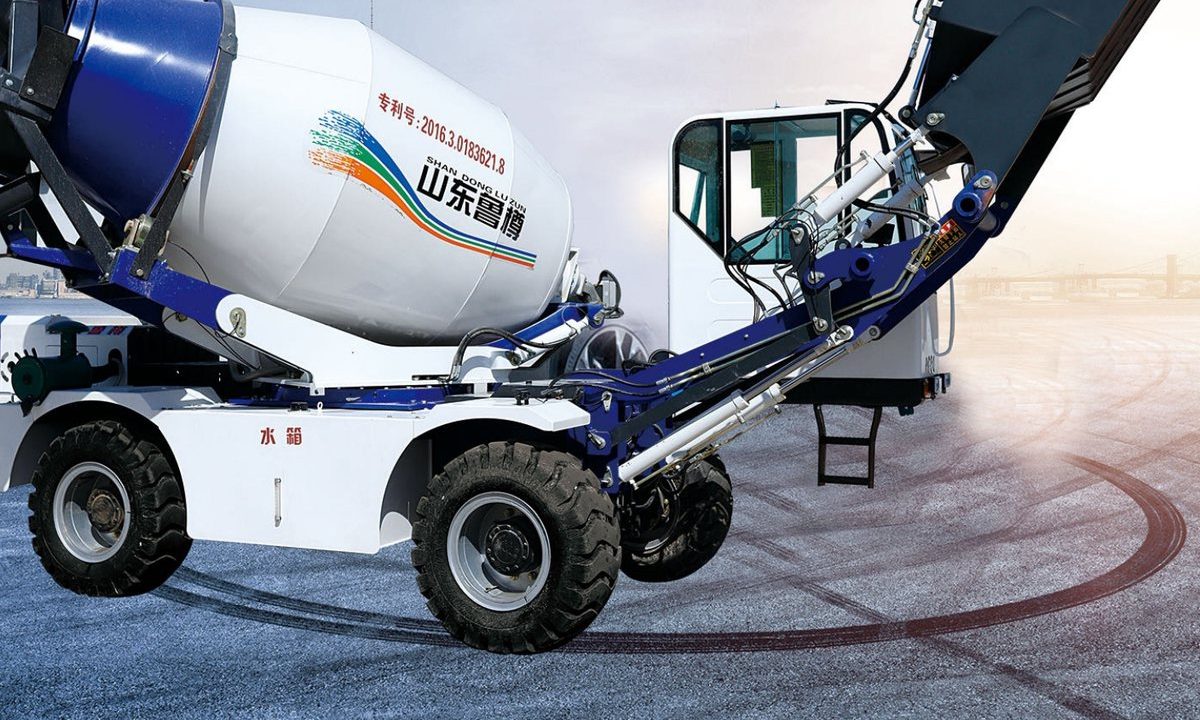
One self-loading mixer with one operator does the loading, weighing, mixing and transport, and pours through a 270° chute. The measuring-by-eye job disappears entirely because the machine weighs electronically.
Work out your own payback
Use your real local numbers rather than a generic figure:
- Daily labour saved = (workers no longer needed) × (daily wage + overhead).
- Days worked per year — be honest, include the rainy season.
- Annual labour saving = 1 × 2.
- Add the second saving: waste. Weighed batches mean less over-ordering and fewer rejected pours.
- Add the third: output. Finishing a job faster is worth money if it frees the crew for the next contract.
- Subtract running costs — fuel, maintenance, wear parts, operator wage.
- Payback (years) = machine price ÷ net annual saving.
Reference prices per model are published on our product pages, so you can put a real number into that last step.
Where the savings are largest
The economics are strongest where labour is expensive relative to equipment, where sites are remote (so ready-mix carries a long haul premium), and where daily volumes are moderate — roughly 30–130 m³ a day depending on model. For very large continuous pours a batching plant still wins; for scattered small-to-medium work, the self-loading mixer is usually the cheaper way to make concrete.
Two things people forget to count
- Supervision. Fewer people on the concrete operation means less to coordinate, which is real time for a site manager.
- Consistency. Electronic weighing produces repeatable batches. Rework on failed concrete is expensive and rarely appears in the original comparison.
Send us your daily volume and local wage level and we will size a machine and put the payback arithmetic in writing.
Next: browse the LUZUN mixer range · all articles · get a quote