What Size Self-Loading Mixer Do You Need? 1.2 to 4.0 m³ Compared
Choosing the right capacity is the single biggest decision when you buy a self-loading concrete mixer. Too small and you waste time on extra batches; too big and you pay for capacity you cannot use on tight sites. Here is how to pick between 1.2 and 4.0 m³.
Match capacity to batch size and access
- 1.2–1.8 m³ — narrow rural lanes, mountain tracks and confined sites. Short, agile body; easiest to manoeuvre.
- 2.6–3.0 m³ — general construction: house building, rural roads, small commercial. The most popular middle ground.
- 3.5–4.0 m³ — high daily output, larger pours, contractors who need volume.
Think in daily output, not just drum size
Each batch takes about 12 minutes, so output scales with capacity:
- 1.6 m³ ≈ 64–80 m³ per 10-hour day
- 2.0 m³ ≈ 80–100 m³ per day
- 2.6 m³ ≈ 104–130 m³ per day
- 3.5–4.0 m³ ≈ 120+ m³ per day
Estimate your typical daily concrete need and choose the smallest machine that comfortably covers it.
Don’t forget site access
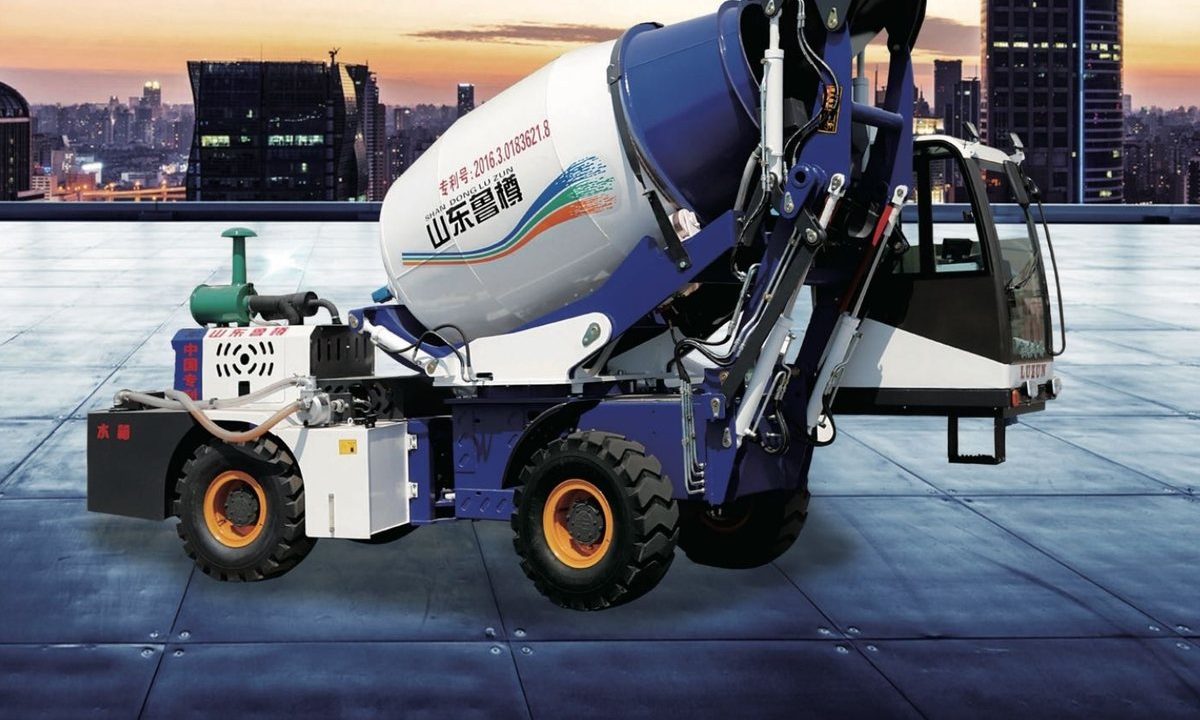
A bigger drum means a longer, heavier machine. If most of your work is on narrow village roads, steep slopes or inside walls, a compact 1.8–2.6 m³ unit will out-earn a 4.0 m³ that cannot reach the pour. All LUZUN models keep an articulated 4×4 chassis and 270° discharge, so even the larger sizes stay capable off-road.
Still unsure?
Tell us your typical batch size, daily volume and site conditions, and our engineers will recommend the right model and send a quote within one business day.
Next: browse the LUZUN mixer range · all articles · get a quote