270° vs 180° Drum Rotation on a Self-Loading Mixer: Which to Choose
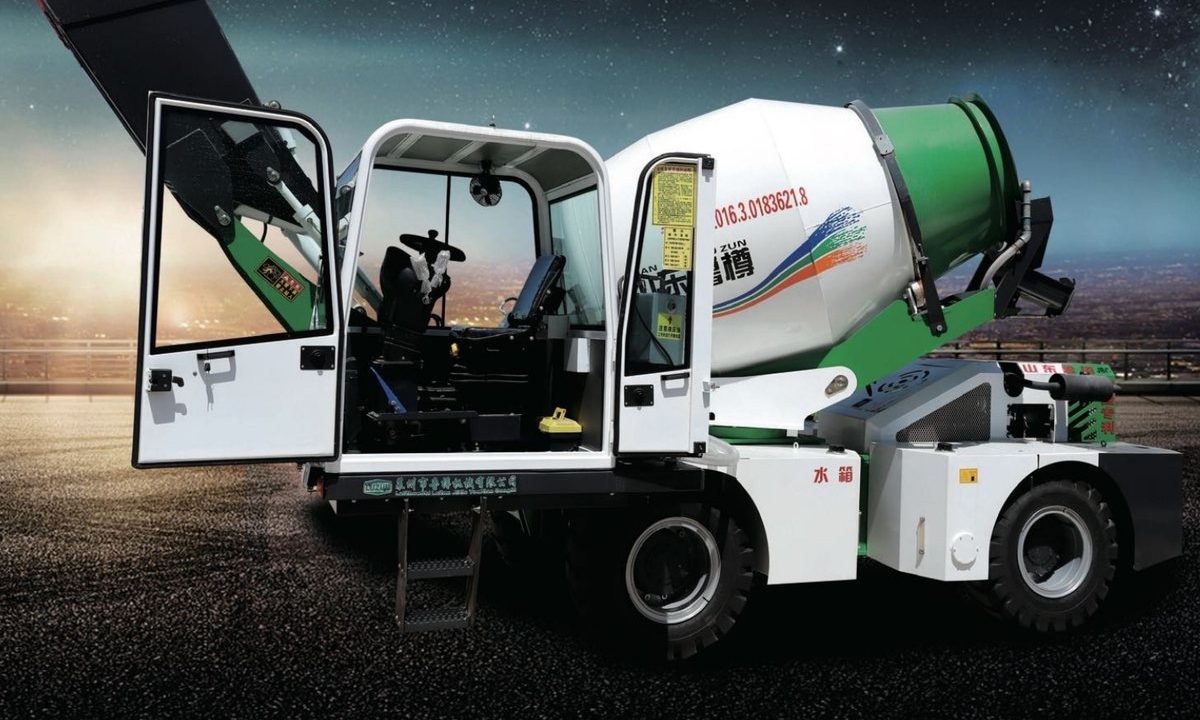
When comparing self-loading concrete mixers you will see “180°” and “270°” rotation. It refers to how far the mixing drum can swing to discharge — and it directly affects how easily you can pour on a real site.
What the numbers mean
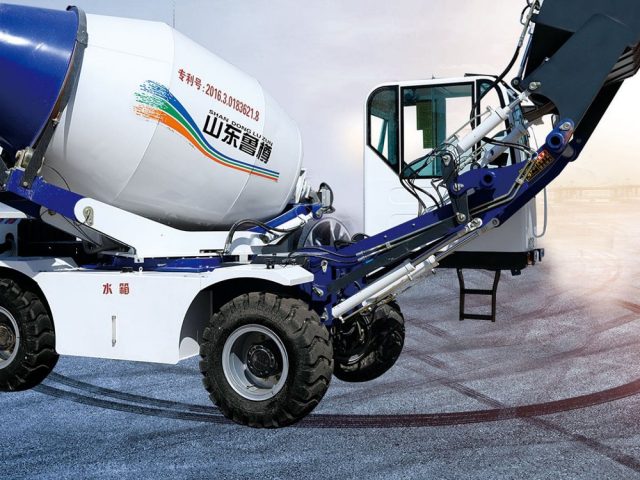
- 180° rotation — the drum swings left and right (about 90° each way), letting you discharge to either side of the machine.
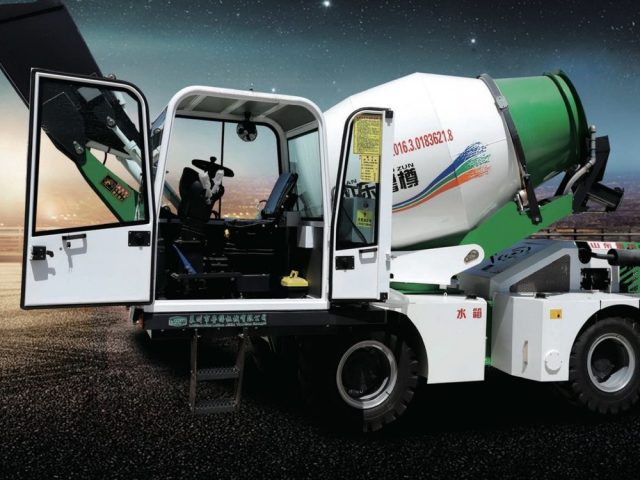
- 270° rotation — the drum swings through three-quarters of a circle, so you can pour to the sides and toward the rear, in almost any direction around the truck.
Why 270° helps on site
More rotation means less repositioning. With 270° discharge you can place concrete into formwork, foundations and channels around the machine without constantly moving it — saving time and fuel, especially in tight or awkward spaces like under bridges, along walls and in trenches.
When 180° is enough
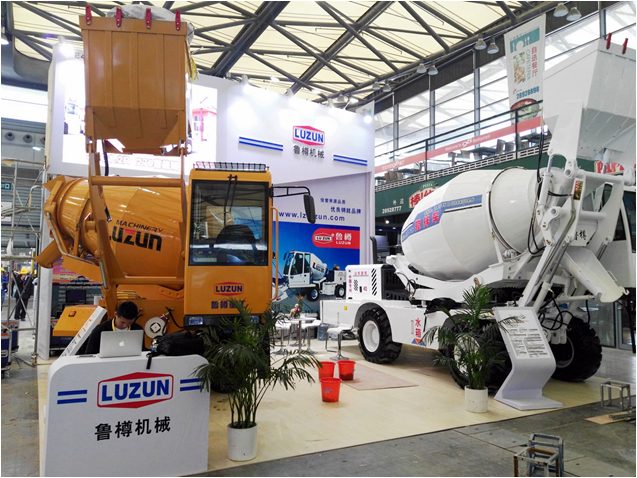
For straightforward pours where you mainly discharge to one side, a 180° integral model is simple and cost-effective. Some larger-capacity LUZUN models (for example certain 4.0 m³ units) use 180° with a sturdy integral body, while most of the range — 1.2R through 3.5R — offers 270° articulated discharge.
How to decide
If your work involves confined spaces, channels, or pouring all around the machine, choose 270°. If pours are open and one-sided and budget is tight, 180° works well. Either way, look for an articulated 4×4 chassis and high-accuracy weighing.
Not sure which fits your jobs? Send us your typical pours and we will recommend the right model and quote within one business day.
Next: browse the LUZUN mixer range · all articles · get a quote